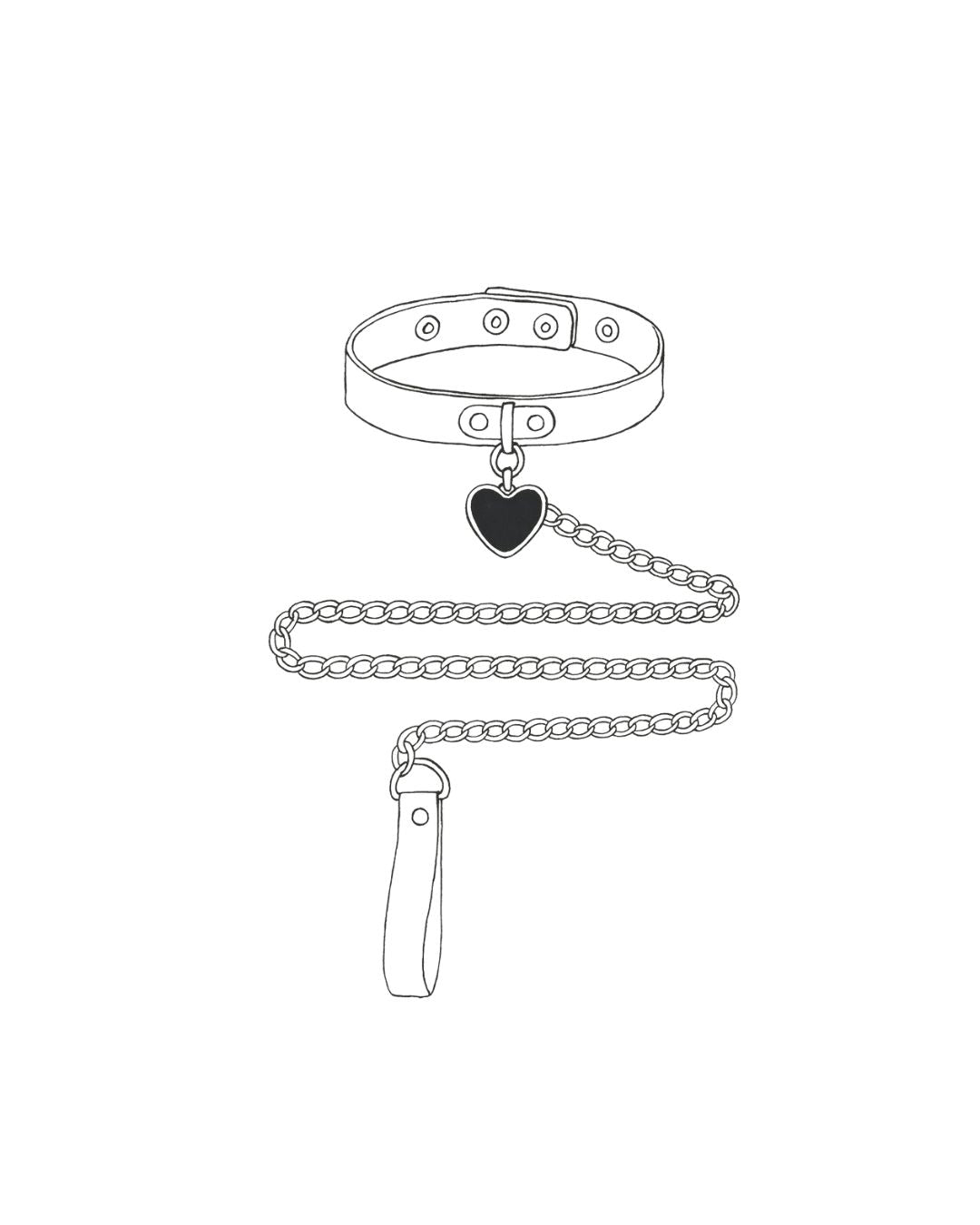
When people hear the word kink, they often imagine ropes, leather, or dramatic scenes. Many imagine intensity. Few notice the quiet foundation beneath it all. Trust shapes every intimate experience. Without trust, touch feels uncertain. With trust, even a soft ribbon resting on the wrist can feel grounding.
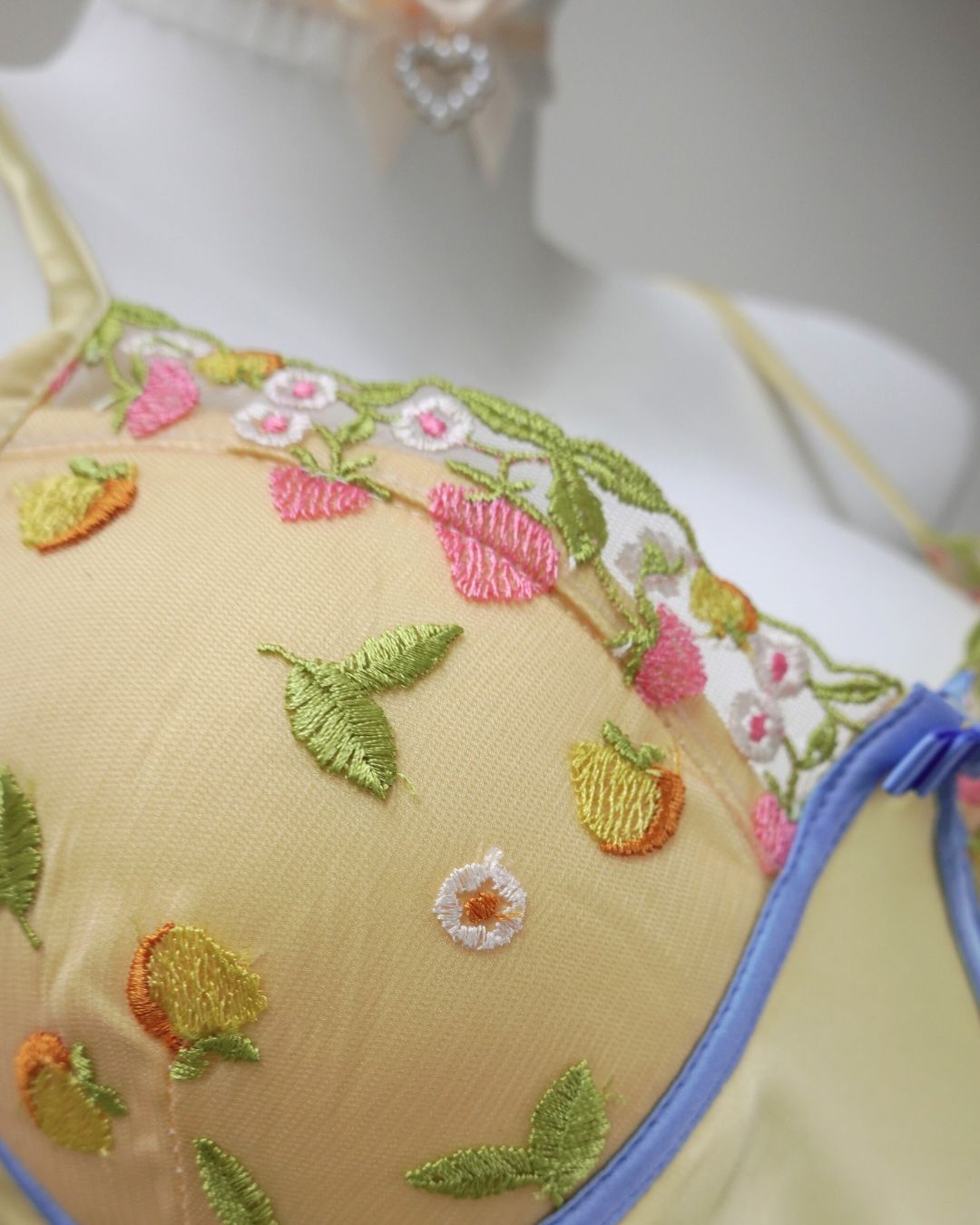
Soft Kink begins in this quiet space. It focuses on emotional safety, consent, and mutual care. It starts long before skin meets skin. At FairyBerry, lingerie becomes part of this language. The front split of the Nythea Butterfly Nightdress or the gentle blush of the Sugarmid nightdress, brings a feeling of lightness and playful intimacy.

Trust Comes Before Touch
Trust always comes first. Research supports this reality.
The Kinsey Institute published a 2013 study on people who practice BDSM and kink. The study showed higher relationship satisfaction in this group. It also showed clearer communication and stronger boundary awareness. These findings challenge popular stereotypes. Many kink communities practice detailed consent conversations before any intimate act. Those conversations create emotional security. Emotional security allows deeper connection.
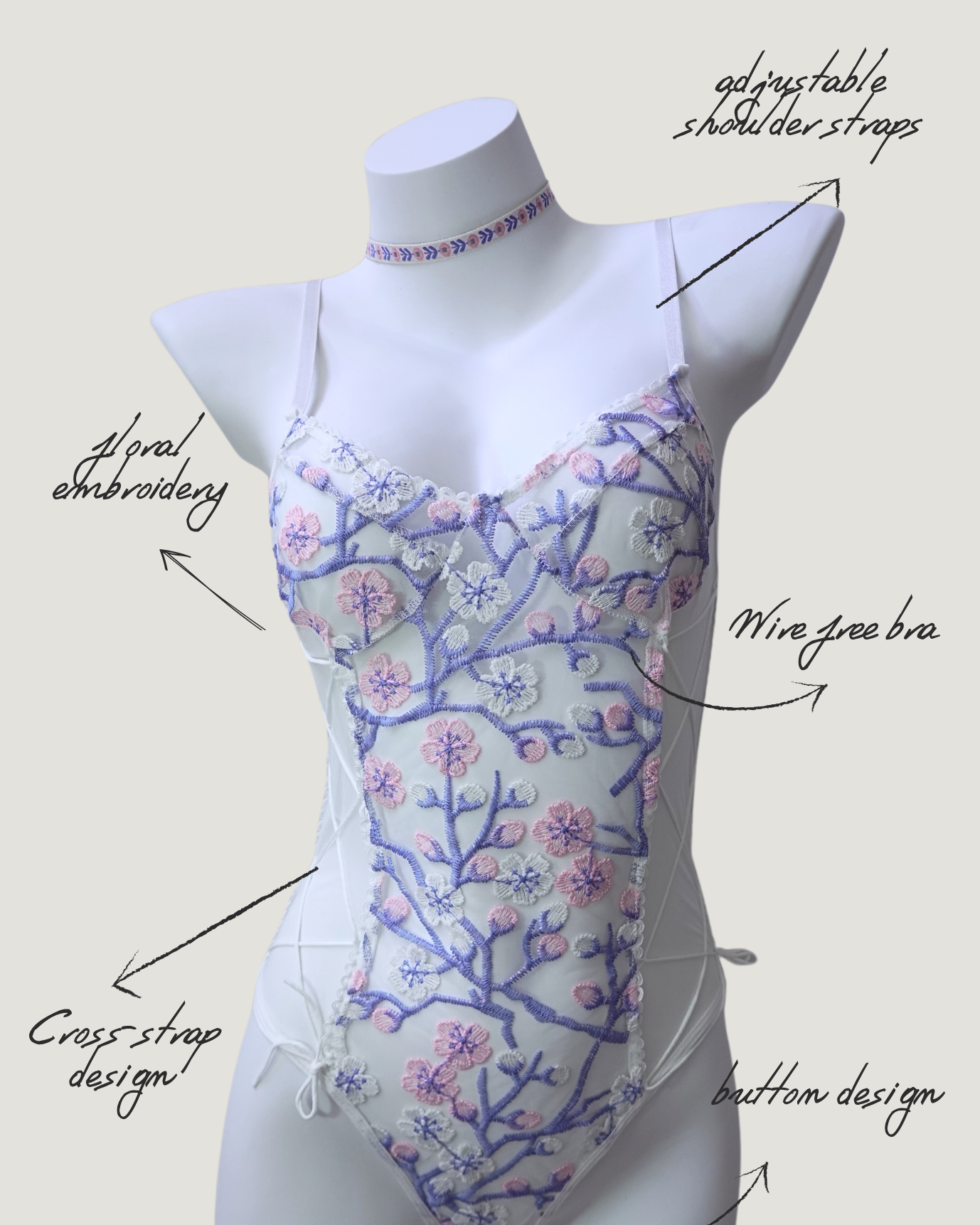
Healthy sexual communication depends on this clarity. When partners feel safe to express desire and limits, intimacy becomes steady and honest. Even light roleplay, like slipping into a Musemaid Lingerie Bodysuit for a private moment, works only when trust is already present. The costume becomes an expression of closeness, not a performance.

The Psychology of Surrender
Some people enjoy being guided or gently restrained. This experience connects closely to trust-based bonding. Psychologist Patrick Carnes studied emotional attachment in intimate relationships. His work shows that trusted surrender can calm the nervous system. During safe intimacy, the brain releases oxytocin and endorphins. These chemicals support relaxation and bonding.
Many people describe this feeling simply. They say they feel held, understood, or deeply cared for. Trust becomes a source of pleasure. The body responds to emotional safety first.
In Soft Kink, restraint does not need to look harsh. A body harness like Kaia can rest along the curves like a steady hand. A soft cuff around the wrist can feel like a reminder that someone is paying attention. These details shape mood through trust, not force.
Consent as a Shared Language
Healthy kink always begins with consent. Consent requires conversation. Partners discuss preferences, limits, and comfort levels. Many use safe words or stopping signals. Sexual health educators describe this model as SSC (Safe, Sane, and Consensual) or RACK (Risk-Aware Consensual Kink). These frameworks come from the National Coalition for Sexual Freedom and are widely used in modern sexual health education.
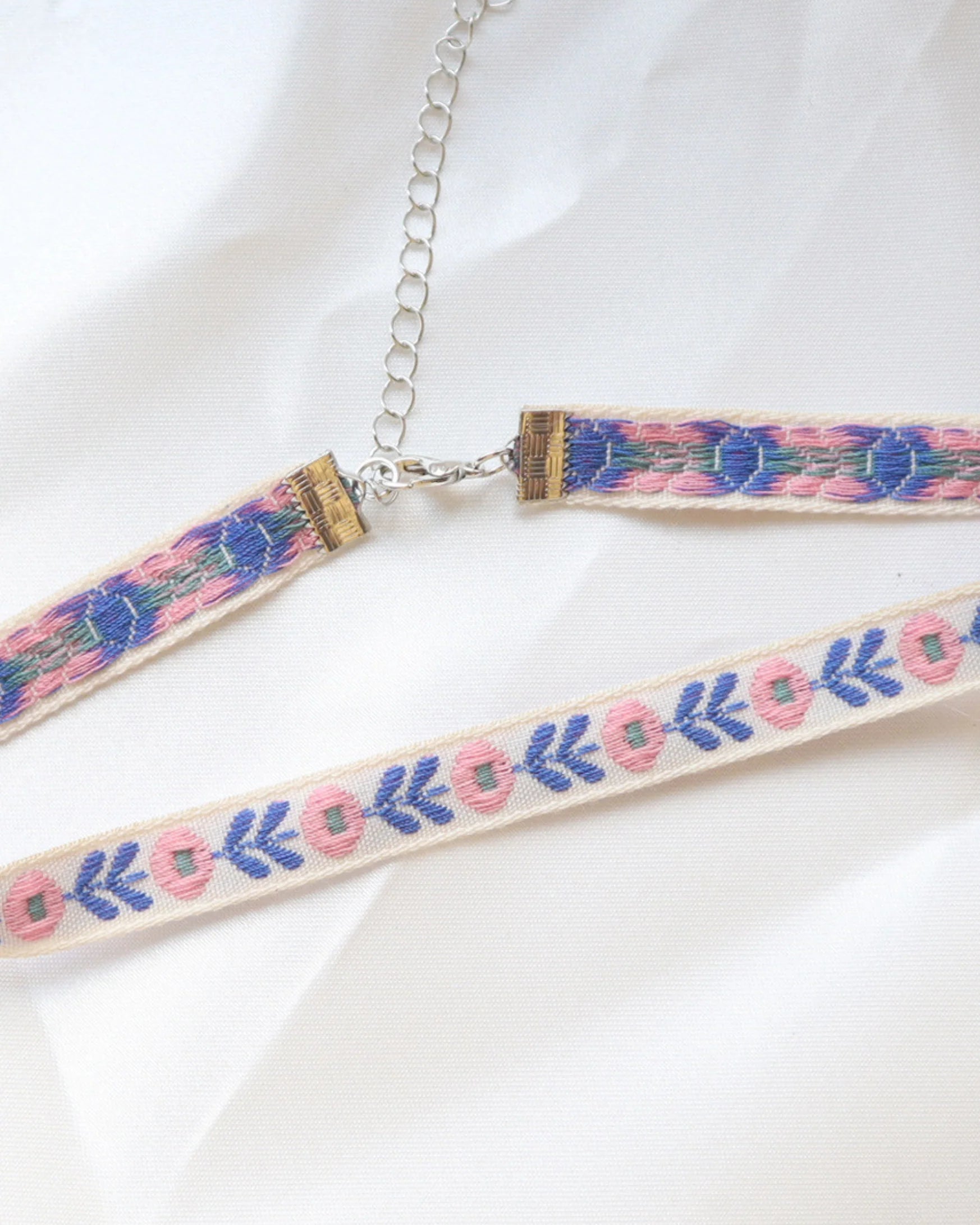
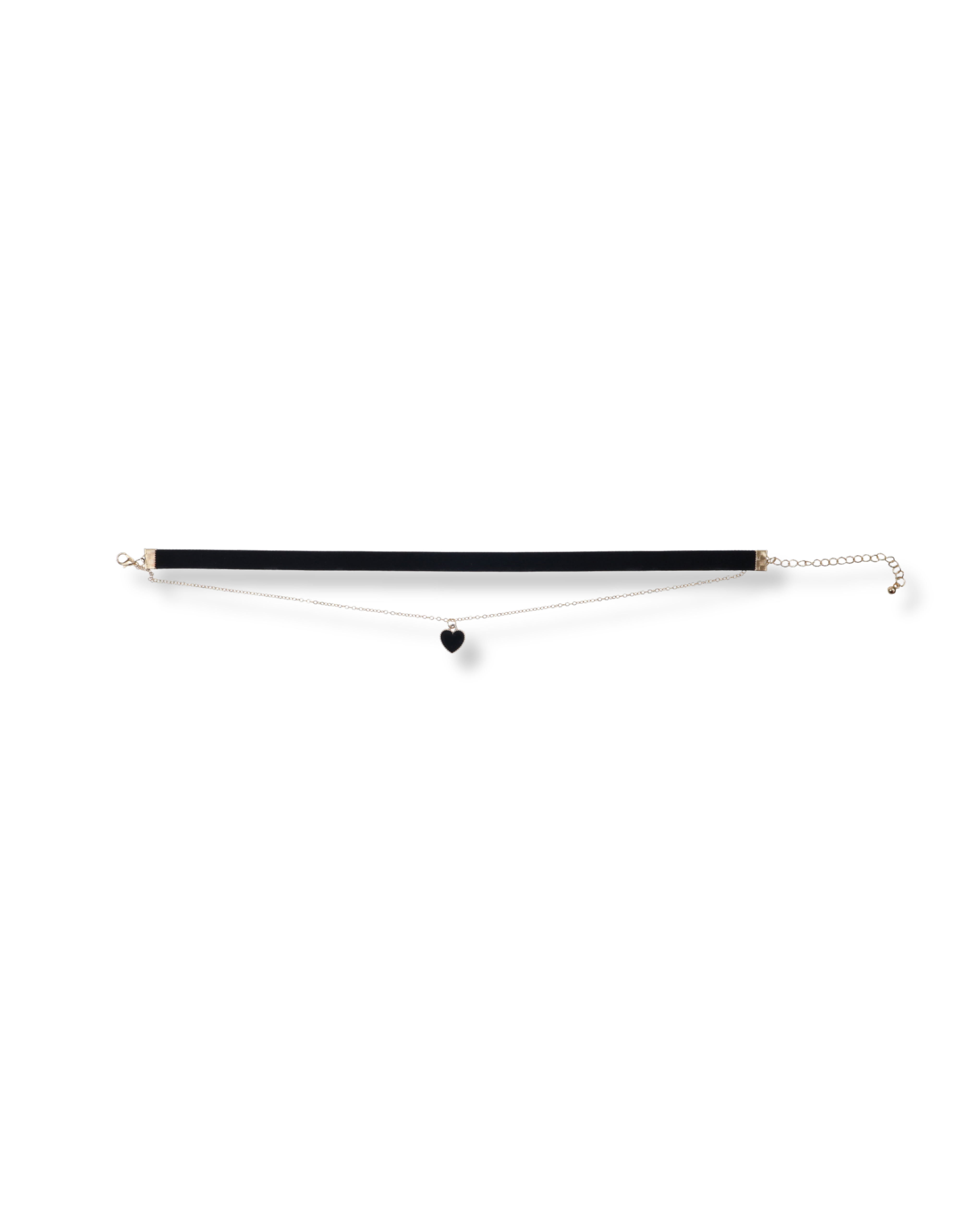
Clear consent supports relaxation. Relaxation supports deeper intimacy. Open sexual communication reduces anxiety around desire. When people feel free to say yes or no, trust grows naturally. Even a simple choker resting at the throat can carry meaning only when both partners understand what it symbolizes.
Rope, Lace, and Skin
Touch communicates before language. Infants learn safety through gentle holding. Adults carry that memory forward. Soft fabrics echo early reassurance. Slow touch repeats that comfort. Gentle restraint can recreate the feeling of being securely held.
In this space, the body receives a simple message: you are safe here. Many people find that this safety opens room for self-expression, confidence, and emotional closeness. Sensuality becomes shared experience rather than performance. Lace, satin, and skin become part of a quiet conversation.

Soft Kink and Emotional Care
Soft Kink centers on care, listening, and respect. Aftercare plays an important role. Aftercare may include blankets, water, slow breathing, or quiet conversation. These gestures help restore emotional balance after intense moments.
Researcher Justin Lehmiller writes that many fantasies express emotional needs. A common need is to feel deeply understood. When partners recognize these needs, intimacy becomes stable and compassionate. Trust continues long after the scene ends. That is where real intimacy lives.
Why Trust Is the Real Turn-On
Desire without trust can feel performative. Desire with trust feels personal. A simple sentence can change everything. “I am here with you.” That reassurance relaxes the body. It softens the breath. It opens space for connection.
Trust is not an extra element in intimacy. Trust is the foundation that allows every other element to unfold.
⋆。𓈒 𓂂 ˚♡₊˚⊹ꕤ༘⋆ ✦₊˚.𖥔 ༉‧₊˚⊹
At FairyBerry, intimacy begins with safety. Softness can hold power. Consent can feel romantic. Lingerie is not just decoration. It is part of how we speak to ourselves and to those we trust.
True sensuality grows where trust lives.
And trust is the real turn-on.
References
Kinsey Institute. (2013). BDSM Participation and Relationship Satisfaction Study. Indiana University.
Carnes, P. (2015). Intimacy and Attachment Research.
Lehmiller, J. (2018). Tell Me What You Want. Da Capo Press.
National Coalition for Sexual Freedom (NCSF). SSC & RACK Consent Frameworks.
Nagoski, E. (2015). Come As You Are. Simon & Schuster.